Double Materiality Assessment
Conducting a Double Materiality Assessment is essential for identifying and prioritizing regional sustainability impacts, risks, and opportunities. Our DMA tool guides your team through the full EFRAG-compliant assessment across all ESRS topic standards to a completed materiality matrix and disclosure requirement list.
Compliance and Regulatory Framework Alignment
A compliant double materiality assessment follows a defined process: scoping the value chain, consulting stakeholders, screening topics, scoring IROs and documenting conclusions for each material standard.
- Guided process: Value chain scope, stakeholder consultation, topic screening, IRO assessment and results, with built-in guidance at each step explaining what is needed and why.
- Simplified ESRS-ready: The tool reflects the ESRS simplification. Materiality is applied as the primary filter throughout, in line with the updated requirements.

IRO Assessment and Scoring
The core of the DMA is scoring each topic’s impacts, risks and opportunities. The tool covers all standard IROs across the ten ESRS topics and allows your team to add company-specific IROs identified through risk workshops or stakeholder engagement, with justification text and affected stakeholder documentation recorded for each.
- Dimension scoring: Impacts are scored on scale, scope, irremediability and likelihood. Risks and opportunities are scored on magnitude and likelihood.
- Custom IROs: Company-specific impacts, risks and opportunities can be added to any topic standard alongside the default IRO set, ensuring the assessment reflects your actual business rather than a generic template.
Stakeholder and Value Chain Coverage
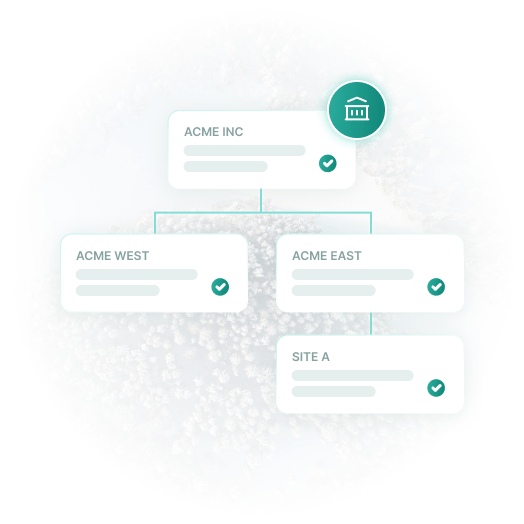
A credible DMA requires documented stakeholder consultation and a clear definition of which parts of the value chain are in scope. Both determine whether standards such as ESRS S2 (workers in the value chain) and ESRS S3 (affected communities) apply, and both are reviewed by the external assurance provider as part of limited assurance.
- Stakeholder consultation log: Record each consulted stakeholder group, the consultation method used, the date and the key topics and insights raised — in the structured format auditors and assurance providers require.
- Value chain scoping: Define whether upstream suppliers, own operations and downstream activities are included. The tool applies this scope throughout the topic assessment and flags which standards become relevant based on your selection.
Strategic Impact and Growth
The output of a double materiality assessment is not only a compliance document — it is the foundation for deciding where to focus sustainability strategy, what to measure and what to disclose. The tool produces a materiality matrix, a prioritised list of material topics and the exact ESRS disclosure requirements that apply, structured for direct use in reporting and strategy planning.
- Materiality matrix and datapoint list: A visual scatter plot maps each ESRS topic by impact and financial materiality score. Automatically generate the list of applicable ESRS disclosure requirements — giving you a clear, auditable starting point.
- Verified baseline for reporting and strategy: A completed assessment gives a single documented source for which topics are material and why — reusable across your CSRD report, investor presentations and board-level sustainability reviews.

Start using Planmark today
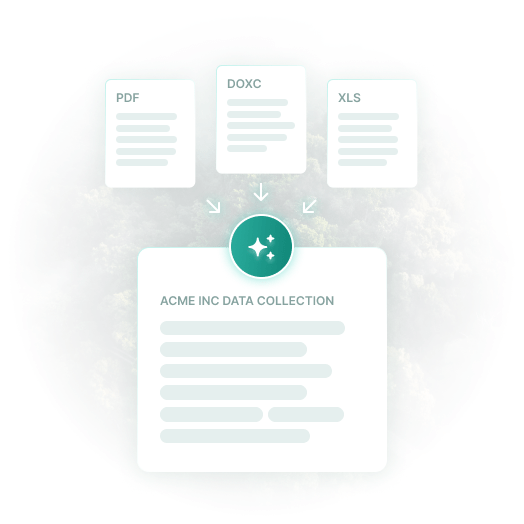
Planmark’s AI-powered reporting platform simplifies ESG reporting by automating data collection and analysis.
Start free