Consumer Goods & Retail
Meeting circularity and consumer trust goals requires centralizing supplier data, ensuring compliance continuity, and converting complex reporting requirements into clear strategic communications.
Retail Value Chain Visibility
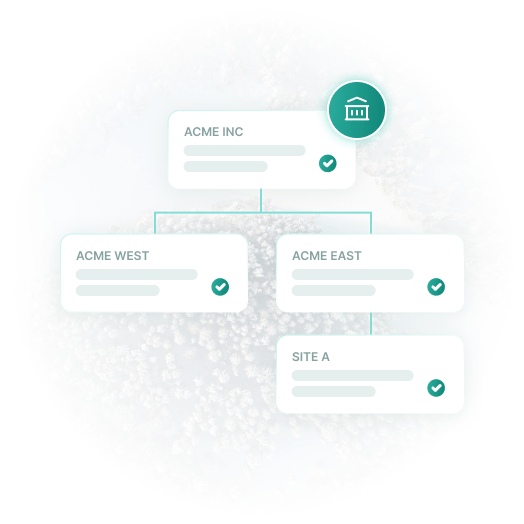
Verifying environmental and social standards across a product lifecycle involves coordinating with extensive supplier networks. A centralized channel for requesting and gathering data from external partners replaces manual email tracking and organizes value chain responses for immediate use in disclosures.
- Supplier Collaboration: Request and share information securely with both internal units and external suppliers in one place.
- Standardized Inquiries: Use ready-made templates to create and distribute consistent data requests to vendors.
ESG Data for Corporate Communications
Sustainability performance metrics are frequently used to build brand loyalty and consumer trust. Validated ESG data can be repurposed for marketing, stakeholder updates, and investor relations, ensuring public sustainability claims match verified internal figures.
- Data Reusability: Apply validated reporting data directly to corporate branding, marketing, and external communications.
- Global Audiences: Generate and format content in multiple languages to communicate progress to international consumer markets.

Regulatory Alignment for Product Standards
The consumer goods sector must adapt quickly to changing regulations regarding resource efficiency and product circularity. The platform maintains compliance by aligning with frameworks like the CSRD, GRI, and VSME, reducing the administrative burden of monitoring legal updates.
- Standard Continuity: Keep reporting aligned with changing EU requirements through automated system updates.
- Framework Versatility: Apply established reporting standards or build custom tracking structures tailored to specific product categories.

Strategic Performance Benchmarking
Identifying competitive advantages requires understanding how sustainability metrics compare to the wider market. Built-in benchmarking tools evaluate performance against industry sectors, while historical tracking helps demonstrate the long-term impact of efficiency initiatives.
- Industry Benchmarking: Compare organizational data against sector averages and track internal progress over time.
- Progress Oversight: Monitor the live status of data collection to maintain a clear view of overall sustainability goals.

Start using Planmark today
Planmark’s AI-powered reporting platform simplifies ESG reporting by automating data collection and analysis.
Start free